Choosing wall coverings for your home or workspace is more complex than simply selecting a pattern you like. Modern wall coverings serve functional, protective, and decorative purposes, and understanding these differences helps you make better long-term decisions. Whether you are redesigning interiors or exploring materials suitable for exterior environments, knowledge of materials, installation methods, and environmental compatibility is essential.
Many people begin their search locally to understand available materials and see textures in person. Visiting physical stores or researching materials beforehand can help you identify the right wall covering for your space, climate, and maintenance expectations. This guide explains everything you should know before exploring options and selecting the most suitable wall covering solutions.
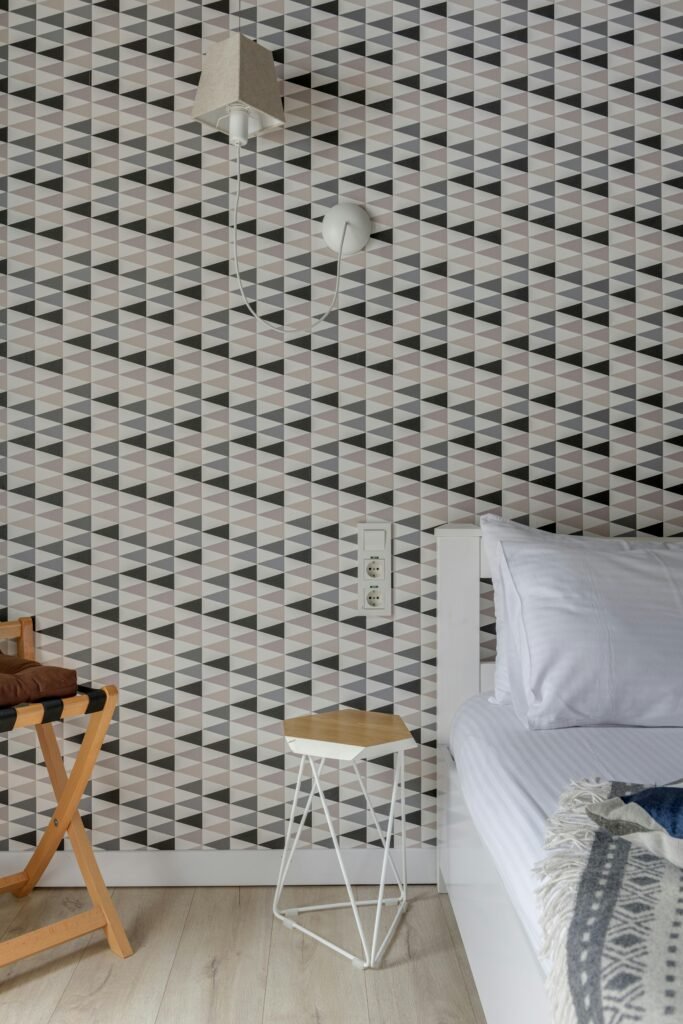
How local wall covering stores help you compare materials, textures, and durability for different interior spaces and environmental conditions
Local wall covering stores provide valuable hands-on comparison opportunities. Unlike online browsing alone, physical stores allow you to:
- Feel material thickness and surface texture
- Compare color variations under real lighting
- Understand durability differences between materials
- Ask questions about installation challenges
When researching options before visiting stores, many homeowners start by searching for trusted local suppliers. For example, exploring options through a reliable wall paper shop near me resource can help you understand available styles, materials, and practical applications before stepping into a showroom.
Local stores also help you visualize how patterns will look in real spaces. Large sample panels often show how lighting affects color tones during different times of the day.
Understanding the differences between vinyl, fabric, and paper-based wall coverings and how each performs in humid or dry climates
Each material behaves differently depending on environmental conditions.
Vinyl Wall Coverings
Vinyl is one of the most popular choices due to durability and moisture resistance.
Key advantages:
- Easy to clean
- Water-resistant surface
- Good for kitchens and bathrooms
Fabric Wall Coverings
Fabric coverings provide premium texture and appearance.
Key considerations:
- Requires careful maintenance
- May absorb humidity
- Often used in low-moisture indoor environments
Paper-Based Wall Coverings
Paper options are decorative but less durable.
Best for:
- Low-traffic areas
- Decorative accent walls
- Controlled climate environments
Understanding climate compatibility is especially important in regions with high humidity or temperature fluctuations.
How weather exposure affects wall coverings used for outdoor areas such as balconies, patios, and garden walls in hot regions
Outdoor environments introduce multiple challenges, including sunlight exposure, dust, rain, and temperature expansion. Not all wall coverings are suitable for exterior use, and selecting the wrong type can lead to peeling, fading, or cracking.
When researching materials designed for exterior applications, many homeowners study performance characteristics of outdoor wallpaper to understand weather resistance, UV durability, and moisture protection capabilities.
Outdoor wall covering challenges include:
- Direct sunlight causing color fading
- Temperature expansion causing material stress
- Moisture exposure affecting adhesion
- Dust accumulation requiring frequent cleaning
Selecting materials designed specifically for outdoor environments helps reduce maintenance needs and extends lifespan.
Step-by-step explanation of how self-adhesive wall coverings work and why they are popular for fast home interior updates
Self-adhesive wall coverings have become popular due to easy installation and removal.
How Self-Adhesive Wall Coverings Work
- Surface must be clean and dry
- Backing layer is peeled off
- Material is applied gradually to prevent air bubbles
- Smoothing tools help ensure proper adhesion
These materials are especially useful for renters, quick renovations, or temporary design updates. Many homeowners researching easy installation solutions explore resources related to peel and stick wallpaper dubai to understand available design options and installation techniques.
Why people choose self-adhesive solutions:
- No professional installation required
- Easy removal without wall damage
- Quick room transformation
- Wide range of modern designs
Common mistakes homeowners make when selecting wall coverings without considering wall preparation and surface conditions
Wall preparation is one of the most overlooked steps in wall covering installation. Even high-quality materials fail if applied to poorly prepared surfaces.
Frequent Preparation Mistakes
- Installing on dusty or oily surfaces
- Ignoring wall cracks or uneven textures
- Applying on freshly painted walls without curing time
- Skipping primer when required
Best Preparation Practices
- Clean walls using mild cleaning solutions
- Fill cracks and sand uneven surfaces
- Allow paint to cure fully before installation
- Use primers when recommended
Proper preparation significantly improves adhesion and extends the lifespan of wall coverings.
How modern wall coverings can support both decorative design goals and protective functions for residential and commercial walls
Modern wall coverings are engineered for both design and protection. Many materials now include protective coatings that help resist stains, scratches, and moisture damage.
Decorative Functions
- Enhances interior design themes
- Creates focal walls
- Improves room atmosphere
Protective Functions
- Protects wall surfaces from moisture
- Reduces minor impact damage
- Improves wall insulation in some cases
Commercial spaces often prioritize durability and maintenance efficiency, while residential spaces focus more on aesthetics and comfort balance.
Design inspiration ideas combining indoor and outdoor wall covering themes for cohesive property aesthetics
Modern design trends focus on seamless transitions between indoor and outdoor spaces. Using similar textures or color palettes across environments creates visual continuity.
Popular Design Ideas
Nature-Inspired Continuity
- Stone texture indoors and exterior wall accents outdoors
Color Harmony
- Matching neutral tones across indoor living areas and outdoor patios
Texture Layering
- Smooth interior finishes combined with textured exterior surfaces
Design cohesion improves overall property aesthetics and creates a unified visual experience.
Conclusion
Selecting the right wall covering requires understanding materials, climate compatibility, installation methods, and maintenance requirements. Taking time to research options and compare materials ensures better long-term results and reduces the likelihood of costly replacements.
Whether you are designing interiors, exploring exterior solutions, or considering temporary decorative upgrades, informed decisions help you achieve both functional and aesthetic goals while maintaining durability over time.
FAQs
What should I check before choosing wall coverings for outdoor use?
You should check UV resistance, moisture resistance, temperature tolerance, and installation surface compatibility. Outdoor materials must handle weather exposure without degrading quickly.
How long do modern wall coverings typically last in hot climates?
High-quality materials designed for warm climates can last 5–15 years depending on exposure level, maintenance, and installation quality.
Are removable wall coverings safe for painted walls?
Yes, if installed on properly cured paint and removed carefully. Always test a small area first.
What surfaces are not suitable for adhesive wall coverings?
Rough concrete, dusty surfaces, textured plaster, and freshly painted walls are usually not suitable without preparation.
How do I maintain wall coverings in high humidity areas?
Regular cleaning, proper ventilation, and selecting moisture-resistant materials help maintain wall covering durability in humid environments.