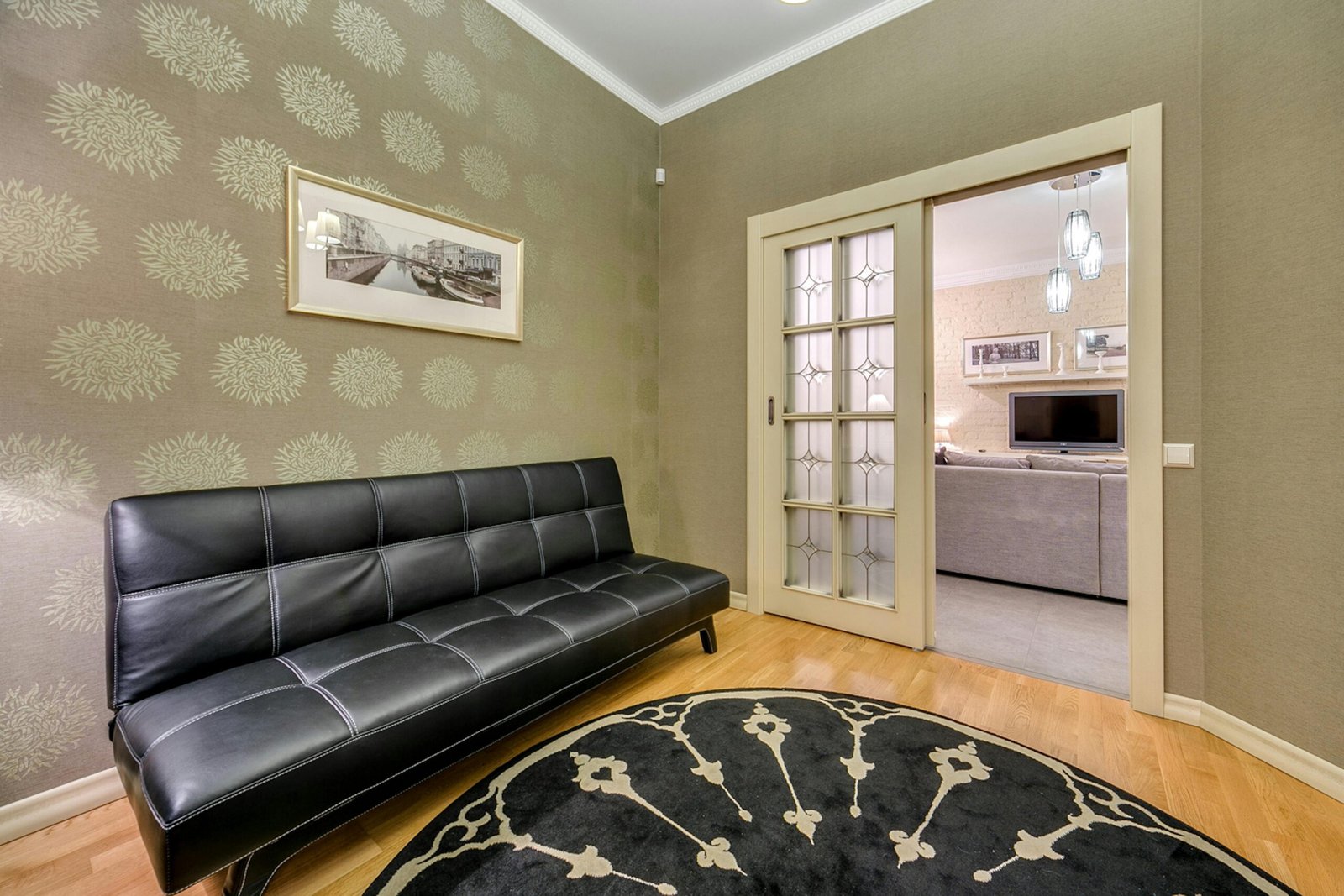
Modern interior design has evolved dramatically across global cities, with wall finishes playing a crucial role in shaping both aesthetics and functionality. Decorative wall coverings are no longer limited to simple patterns; they now reflect cultural identity, technological advancement, and environmental awareness.
In regions with extreme climate variations, wall covering materials must also serve practical purposes beyond decoration. In places like Abu Dhabi, design choices often balance luxury visuals with performance requirements such as heat resistance and humidity durability. Understanding trends and uses helps homeowners, designers, and architects make informed choices that support long-term building performance and comfort.
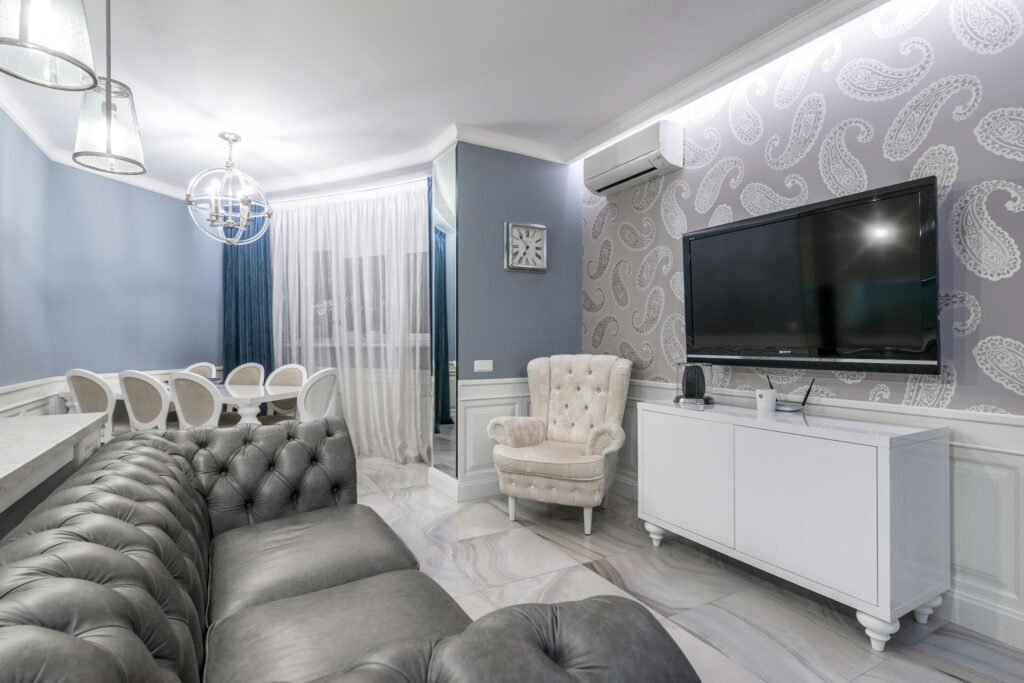
How interior design trends evolved in Abu Dhabi residential and commercial spaces over the last decade
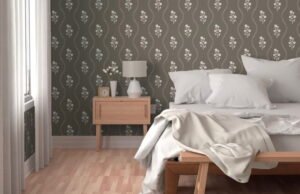
Interior design in the Middle East has shifted from heavy ornamental themes toward modern minimalism combined with cultural elements. Over the last decade, residential and commercial spaces have embraced clean textures, geometric patterns, and nature-inspired designs.
Key shifts include:
- Transition from traditional heavy fabrics to lightweight textured wall coverings
- Increased preference for neutral palettes with accent feature walls
- Integration of smart materials that resist dust and moisture
- Growth of customized digital prints reflecting local art and heritage
Today, many property owners research modern surface design inspirations using resources like wallpapers abu dhabi to understand evolving design preferences and material technologies.
What types of materials are commonly used in modern decorative wall coverings across humid climates and coastal regions
Humidity and coastal air create challenges for wall surfaces. Materials must resist mold, salt air corrosion, and temperature expansion.
Common materials include:
- Vinyl-coated surfaces – Highly moisture resistant and easy to clean
- Non-woven fiber coverings – Breathable and mold resistant
- Fabric-backed wall coverings – Offer texture while maintaining durability
- Glass fiber reinforced coverings – Provide structural strength
These materials are especially important in coastal environments where air contains salt particles that accelerate wear and tear.
How environmental factors like heat and humidity influence wall covering durability and long-term performance
Environmental conditions directly affect the lifespan of decorative surfaces. High temperatures can cause adhesives to weaken, while humidity may lead to peeling or mold growth.
Environmental performance factors include:
- Thermal expansion tolerance
- Moisture barrier strength
- Adhesive bonding stability
- UV radiation resistance
In desert climates, UV exposure can fade pigments quickly. Advanced coatings and layered materials help maintain color vibrancy over time.
What are the main visual design patterns preferred in contemporary Middle Eastern interior decoration styles
Contemporary Middle Eastern interiors blend modern minimalism with cultural symbolism. Instead of heavy ornamentation, designers now focus on refined visual storytelling.
Popular pattern categories include:
- Subtle geometric Islamic-inspired patterns
- Desert landscape-inspired textures
- Marble and stone simulation finishes
- Metallic accent details in neutral palettes
These styles allow spaces to feel culturally connected while maintaining global design standards.
How digital printing technology has transformed customization options for decorative wall surfaces globally
Digital printing has completely changed wall covering possibilities. Instead of mass-produced designs, homeowners can now create custom surfaces tailored to their space.
Benefits of digital wall surface printing include:
- High-resolution photo-quality designs
- Ability to reproduce artwork and photography
- Custom sizing for irregular walls
- Faster production times
Digital technology also enables outdoor decorative surfaces. Many designers now study installation approaches using guides such as external wallpaper to understand how materials perform in exterior conditions.
What are the maintenance requirements for different wall surface covering materials in high-traffic environments
Maintenance needs vary significantly depending on material type and installation environment.
General maintenance guidelines:
Low Maintenance Materials
- Vinyl-coated surfaces: wipe clean with mild detergent
- Laminated surfaces: resist stains and scratches
Moderate Maintenance Materials
- Fabric textures: require periodic dust removal
- Natural fiber coverings: need humidity monitoring
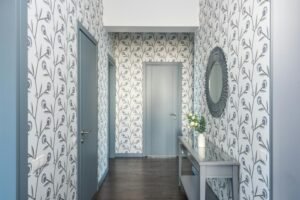
High-traffic areas such as hallways and commercial offices require materials designed for impact resistance and frequent cleaning.
How wall coverings contribute to acoustic insulation and overall indoor comfort in modern building designs
Modern wall coverings are not only decorative—they also enhance indoor comfort. Certain materials help absorb sound waves, reducing echo and improving speech clarity.
Acoustic benefits include:
- Reduced external noise penetration
- Improved conference room sound clarity
- Enhanced residential privacy
- Balanced indoor sound distribution
Thicker layered coverings often perform better in sound absorption compared to thin decorative films.
Why sustainability is becoming a major factor in choosing interior wall surface decoration materials worldwide
Sustainability has become a major design consideration worldwide. Eco-friendly wall coverings reduce environmental impact while maintaining design quality.
Sustainable design trends include:
- Recycled fiber-based coverings
- Low-VOC adhesive technologies
- Water-based printing inks
- Biodegradable surface materials
Across the United Arab Emirates, sustainability initiatives encourage environmentally responsible construction materials. Many professionals study regional design material standards through knowledge hubs like wallpaper uae to stay aligned with environmental construction trends.
Conclusion
Decorative wall coverings have evolved into multi-functional design elements that combine aesthetics, durability, and environmental performance. Climate conditions, technological advances, and sustainability requirements now play major roles in material selection.
As design expectations continue to evolve, understanding wall surface technologies helps create interiors that remain visually appealing, comfortable, and long-lasting. By studying trends, materials, and environmental performance factors, designers and property owners can make informed choices suited to modern living environments.
FAQs
What is the purpose of decorative wall coverings in modern interiors?
They enhance aesthetics, protect wall structures, improve acoustic performance, and sometimes contribute to insulation and moisture control.
How long do modern wall surface coverings typically last?
Most modern coverings last between 8–15 years depending on material quality, installation method, and environmental conditions.
Can decorative wall coverings be used in humid climates safely?
Yes, when using moisture-resistant materials such as vinyl-coated or non-woven breathable coverings designed for high-humidity regions.
What is the difference between printed and textured wall surface materials?
Printed coverings focus on visual design and imagery, while textured coverings add physical depth and tactile surface variation.
How do wall coverings impact indoor lighting and room perception?
Light-colored or reflective surfaces increase brightness and space perception, while darker textures create depth and intimate atmosphere.