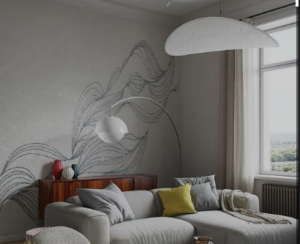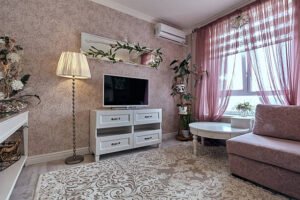
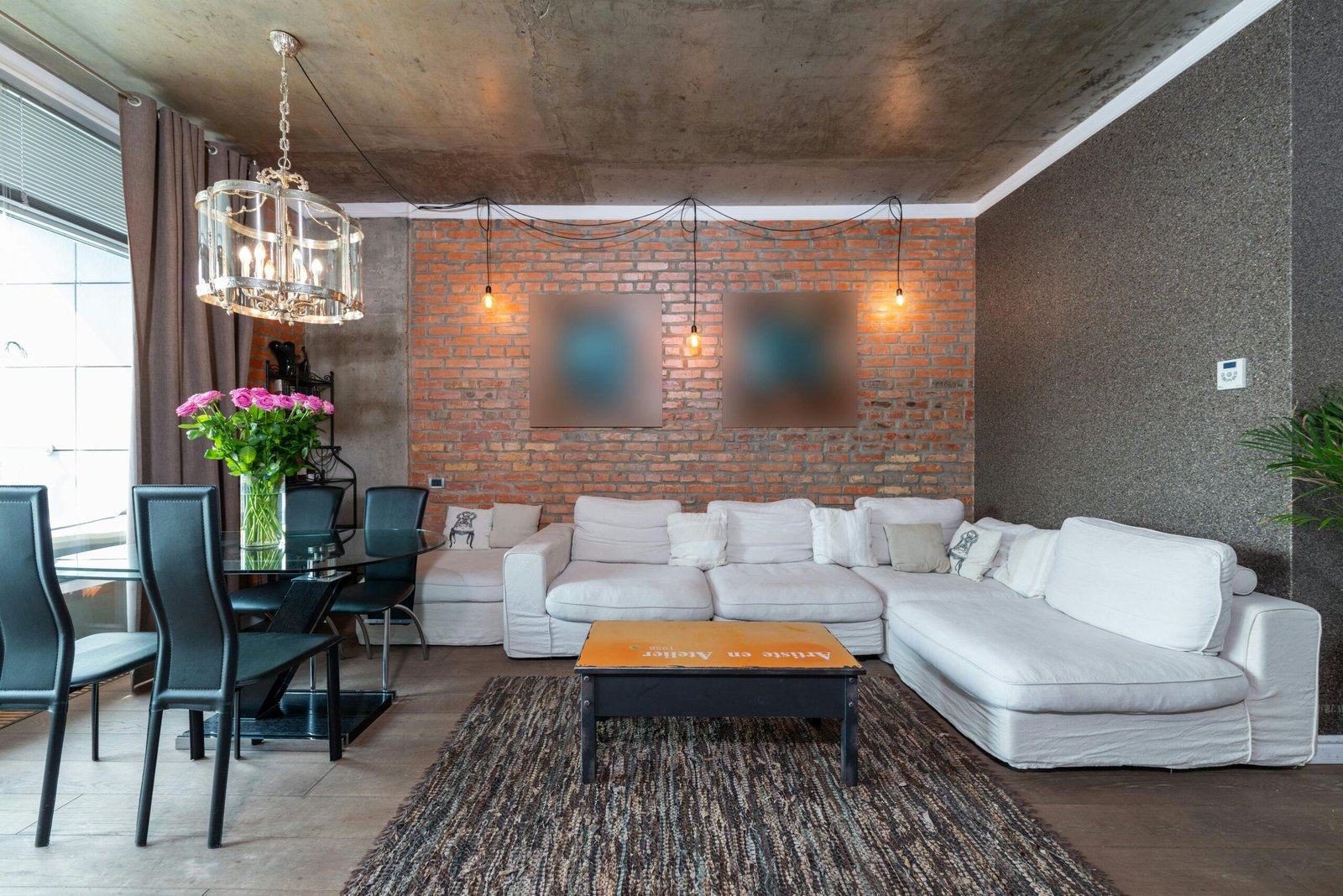
Introduction
Finding the right wallpaper supplier is an important step in achieving long-lasting and visually appealing interior walls. Wallpaper is not only decorative but also functional, helping protect walls, improve room ambiance, and even influence how space is perceived. However, choosing the right shop and material requires more than simply selecting a pattern that looks attractive.
Today’s wallpaper market offers a wide range of materials, textures, and finishes designed for different environments and usage needs. Understanding how to evaluate wallpaper shops, materials, and installation quality can help homeowners and interior planners make informed decisions that deliver both durability and visual harmony.
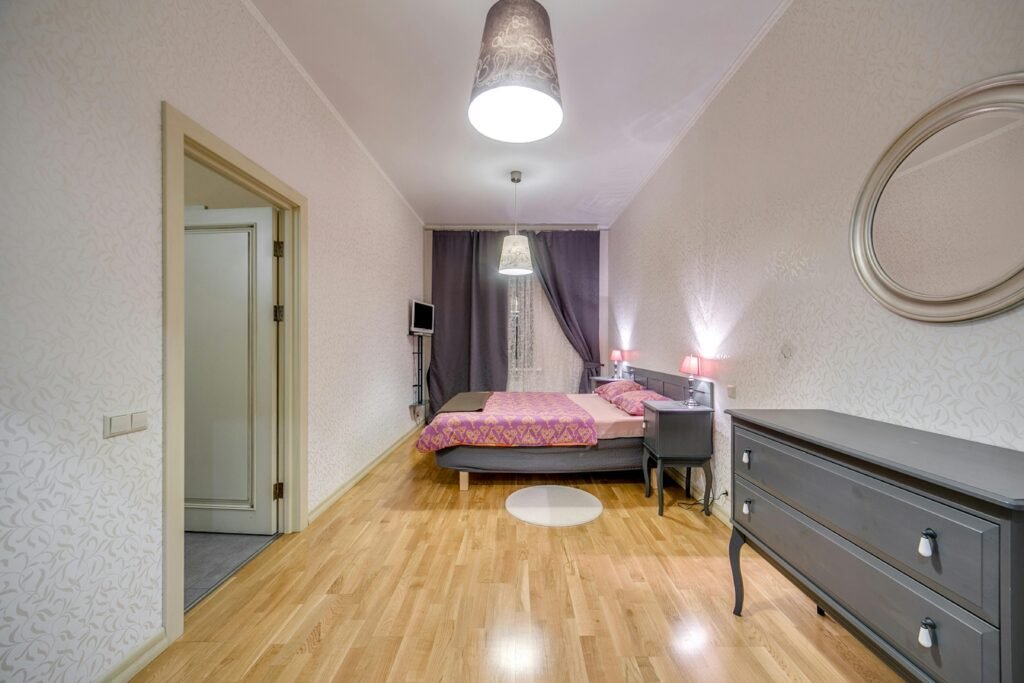
How local wallpaper shops differ in quality, service, and material variety for different interior needs
Not all wallpaper shops provide the same level of expertise, product range, or customer support. Local shops often vary based on their supplier networks, material sourcing standards, and professional experience.
Some key differences include:
- Variety of wallpaper materials available
- Access to international or regional wallpaper designs
- Availability of design consultation services
- Knowledge of climate-specific wallpaper performance
- Installation service partnerships or in-house teams
When searching for reliable suppliers, many homeowners start by researching options like wallpaper shops near me to identify local providers with strong material selection and customer feedback. This helps narrow down options before visiting stores physically.
Key factors that influence wallpaper durability in different climates and room conditions
Wallpaper performance is heavily influenced by environmental conditions. Temperature changes, humidity levels, and wall surface conditions all play major roles in wallpaper lifespan.
Important durability factors include:
- Humidity resistance: Essential for kitchens and bathrooms
- Heat tolerance: Important for rooms with strong sunlight exposure
- Adhesive strength: Depends on wall surface preparation
- Washability: Determines maintenance ease
For example, humid climates require moisture-resistant wallpaper types that prevent peeling or mold formation. Dry climates may focus more on preventing cracking or adhesive drying issues.
Understanding different wallpaper materials and how they affect wall maintenance over time
Wallpaper materials directly impact maintenance frequency and cleaning methods. Some materials require gentle cleaning, while others allow scrubbing or washing.
Common wallpaper materials include:
- Paper wallpaper
- Fabric wallpaper
- Non-woven wallpaper
- Vinyl-based wallpaper
Among these, vinyl wallpaper is widely known for durability, washability, and moisture resistance. It is often preferred in high-traffic areas like hallways and family rooms because it handles wear and tear better than traditional paper options.
Maintenance considerations often include:
- Cleaning frequency
- Resistance to scratches and stains
- Ease of repair or replacement
- Long-term color retention
How professional consultation helps match wallpaper styles with interior design themes
Professional consultation can help align wallpaper choices with overall interior design strategy. Designers consider multiple elements when recommending wallpaper styles.
These include:
- Room lighting conditions
- Furniture color palette
- Ceiling height and spatial perception
- Desired mood (calm, energetic, luxurious, minimal)
For example:
- Light-colored wallpapers can make small rooms appear larger
- Textured wallpapers can add depth to simple interiors
- Pattern scale should match room size to avoid visual clutter
Consultants also help balance modern trends with long-term usability, ensuring the chosen wallpaper remains visually relevant over time.
Common mistakes homeowners make when selecting wallpaper for residential spaces
Many homeowners focus heavily on appearance without considering technical performance. This can lead to premature wallpaper damage or visual dissatisfaction.
Common mistakes include:
- Ignoring wall surface preparation needs
- Choosing wallpaper based only on showroom lighting
- Selecting materials not suited for room humidity levels
- Overusing bold patterns in small spaces
- Not considering long-term cleaning requirements
Avoiding these mistakes helps maintain wallpaper appearance and structural integrity for years.
How installation quality impacts wallpaper lifespan and long-term wall protection
Installation quality often determines whether wallpaper lasts its expected lifespan. Even high-quality wallpaper can fail if installed incorrectly.
Professional installers focus on:
- Proper wall surface cleaning and smoothing
- Correct adhesive selection
- Seam alignment accuracy
- Air bubble removal techniques
- Edge sealing for moisture resistance
Poor installation can cause peeling edges, bubbling surfaces, and pattern misalignment. High-quality installation ensures wallpaper functions as both decorative and protective wall covering.
In many regions, professional installers also understand local building materials and environmental conditions. For example, professionals working with wallpaper in Gulf climates often understand performance requirements specific to wallpaper in uae environments, where temperature and humidity can fluctuate significantly.
How to evaluate wallpaper texture, thickness, and finish before making a decision
Physical wallpaper characteristics impact both visual effect and durability. Evaluating samples in person is often recommended.
Texture Evaluation
Texture affects how light reflects off walls and influences perceived room warmth.
Examples:
- Smooth finishes create modern, clean looks
- Textured finishes add depth and hide wall imperfections
Thickness Evaluation
Thicker wallpapers typically provide:
- Better durability
- Improved wall coverage
- Higher resistance to minor wall cracks
Finish Types
Common finishes include:
- Matte finish for subtle elegance
- Gloss finish for light reflection and easy cleaning
- Satin finish for balanced visual softness
Testing samples under actual room lighting helps ensure accurate color and texture perception.
Conclusion
Choosing reliable wallpaper sources and materials requires careful evaluation of durability, environmental compatibility, and installation quality. By understanding how materials perform under different conditions and how installation affects longevity, homeowners can make informed design decisions.
Wallpaper is not just a decorative element; it is a long-term surface solution that influences maintenance needs, room comfort, and interior aesthetics. Taking time to research materials, shop quality, and installation standards ensures a successful wallpaper project with lasting results.
FAQs
What should I check before visiting a local wallpaper shop?
You should check product variety, material types, customer reviews, installation services offered, and whether consultation is available for design selection.
How do I know if wallpaper quality is suitable for humid areas?
Look for moisture-resistant materials, washable surfaces, and mold-resistant backing. Vinyl and non-woven materials are often preferred for humid environments.
Can wallpaper be applied on all wall types safely?
Most wallpapers can be applied to properly prepared walls. However, uneven, damp, or cracked walls may require preparation or repair before installation.
How long does wallpaper typically last in residential homes?
High-quality wallpaper with professional installation can last between 8–15 years depending on environmental conditions and maintenance.
What are the most common wallpaper material options available today?
Common options include paper, vinyl, fabric, and non-woven wallpapers. Each offers different durability, maintenance, and visual characteristics suited to various interior needs.