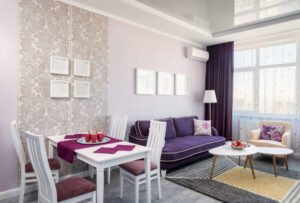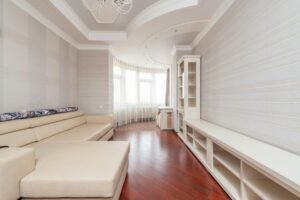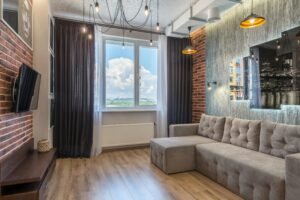
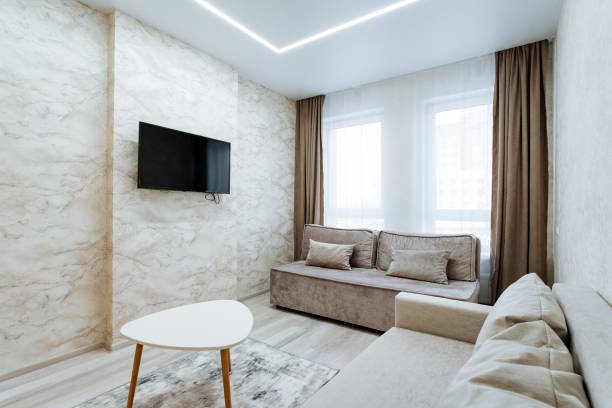
Customized wallpaper has become an important part of modern interior design, allowing property owners, designers, and businesses to create spaces that reflect personality, branding, or architectural style. Unlike standard wallpaper designs that are mass-produced, customized wallpaper is tailored to fit specific dimensions, visual themes, and performance requirements.
As printing technology and material engineering continue to evolve, customized wallpaper is no longer limited to decorative use. It now serves functional purposes such as wall protection, acoustic enhancement, and environmental resistance. Understanding how customized wallpaper works and why it matters can help homeowners and designers make smarter design and material decisions.
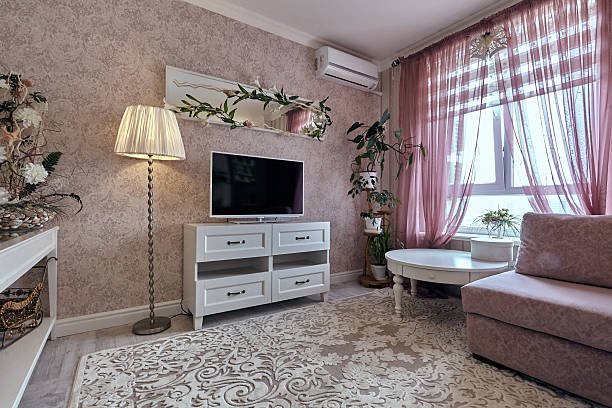
How customized wallpaper is designed to match interior architecture and personal aesthetic preferences
Customized wallpaper begins with design planning that aligns with architectural features and user preferences. Designers often analyze room dimensions, lighting conditions, and existing color palettes before creating wallpaper layouts.
Many homeowners begin their research by exploring options like customized wallpaper near me to understand local design capabilities and material availability. Customization typically includes:
- Adjusting pattern scale to match room size
- Aligning designs with furniture and interior decor
- Matching brand identity for commercial interiors
- Creating mural-style wall art for feature walls
Digital design software allows designers to preview how wallpaper will appear once installed. This process reduces design errors and ensures the final product integrates smoothly with architectural elements.
Customized wallpaper is especially useful in spaces with unique wall shapes, curved surfaces, or large open areas where standard wallpaper patterns may not align correctly.
Understanding printing technologies used in modern customized wallpaper production processes globally
Modern wallpaper printing uses advanced technologies that improve color accuracy, durability, and environmental safety.
Common printing methods include:
- Digital inkjet printing for high-resolution custom images
- UV printing for fade resistance and durability
- Latex printing for environmentally friendly production
These technologies allow wallpaper to maintain visual clarity even under strong indoor lighting or sunlight exposure. Many manufacturers also use protective coatings that improve stain resistance and cleanability.
Modern printing also supports complex customization features such as:
- Textured visual effects
- Photographic mural designs
- Corporate branding graphics
- Educational or thematic wall graphics
Advancements in printing have made customized wallpaper accessible for residential, commercial, and hospitality environments.
Benefits of using thick vinyl wall coverings for durability in high-use residential and commercial areas
Durability is one of the biggest reasons people choose high-performance wallpaper materials. In high-traffic environments, stronger wall coverings prevent surface damage and reduce maintenance needs.
Many designers recommend materials such as thick vinyl wall covering because they provide:
- High scratch resistance
- Moisture protection
- Washable surfaces
- Long-term color stability
These materials are commonly used in:
- Hotel corridors
- Hospitals and healthcare facilities
- Schools and educational institutions
- Commercial offices
Thick vinyl wallpaper also provides structural stability, reducing the risk of tearing during installation or removal. In homes, it works well in kitchens, children’s rooms, and hallways where walls experience frequent contact.
How customized wallpaper improves branding, interior storytelling, and spatial visual experiences
Customized wallpaper allows spaces to communicate identity and create emotional connections with users. Businesses often use custom wall designs to reinforce branding and create memorable customer experiences.
Brand storytelling through wallpaper may include:
- Company logos integrated into wall patterns
- Visual timelines showing brand history
- Thematic murals supporting brand messaging
- Color schemes aligned with brand identity
In residential environments, customized wallpaper can reflect personal stories, travel memories, or artistic preferences. This level of personalization transforms walls into visual storytelling elements rather than simple decorative surfaces.
Customized wallpaper also improves spatial experience by influencing how people perceive room size, lighting, and depth.
Technical differences between standard wallpaper materials and heavy-duty vinyl wall covering structures
Standard wallpaper materials typically focus on aesthetics, while heavy-duty vinyl options focus on structural protection and longevity.
Key structural differences include:
- Multi-layer construction for durability
- Reinforced backing materials
- Protective surface coatings
- Higher tear resistance
Heavy-duty wallpaper is often chosen through consultation with professionals such as a wall paper dealer near me who understands material performance requirements for different environments.
Standard wallpaper may work well in low-traffic decorative spaces, while vinyl-based options are better suited for areas requiring long-term durability and easy cleaning.
Installation surface preparation requirements for customized wallpaper for long-term performance results
Surface preparation is one of the most critical factors influencing wallpaper lifespan. Even high-quality wallpaper can fail if applied to poorly prepared surfaces.
Proper preparation includes:
- Cleaning dust, grease, and debris
- Repairing cracks and holes
- Sanding uneven surfaces
- Applying appropriate primer
- Ensuring wall dryness before installation
Surface preparation helps wallpaper adhere properly and prevents issues such as bubbling, peeling, or seam separation. Professional installers often test adhesives on small wall sections to verify compatibility.
Preparation requirements vary depending on wall material, such as concrete, drywall, or plaster.
Maintenance strategies to extend lifespan of customized and heavy-duty wall covering materials indoors
Regular maintenance helps wallpaper maintain both visual quality and structural integrity over time.
Effective maintenance strategies include:
- Cleaning using manufacturer-approved solutions
- Avoiding abrasive cleaning tools
- Repairing small damage areas quickly
- Maintaining stable indoor humidity levels
Some wallpapers allow spot replacement, which means damaged sections can be replaced without removing entire wall panels.
Long-term maintenance planning is especially important in commercial spaces where appearance and cleanliness impact customer perception.
Conclusion
Customized wallpaper combines design flexibility, advanced materials, and modern production technologies to create high-performance wall solutions. Whether used for decorative personalization, commercial branding, or protective wall covering, customized wallpaper offers both aesthetic and functional benefits. Understanding material types, installation requirements, and maintenance strategies helps ensure long-term performance and visual quality.
FAQs
What makes customized wallpaper different from standard wallpaper?
Customized wallpaper is designed specifically for a space, while standard wallpaper is mass-produced with fixed patterns and sizes.
Is thick vinyl wallpaper suitable for all room types?
It is suitable for most rooms, especially high-traffic or moisture-prone areas, but decorative rooms may use lighter materials.
How long does customized wallpaper typically last indoors?
High-quality customized wallpaper can last 10–15 years depending on material quality and maintenance.
Can customized wallpaper be removed without damaging walls?
Yes, when installed correctly and removed using proper techniques, wall damage can be minimized.
What preparation is required before installing vinyl wall coverings?
Walls must be clean, smooth, dry, and primed to ensure proper adhesion and long-term durability.