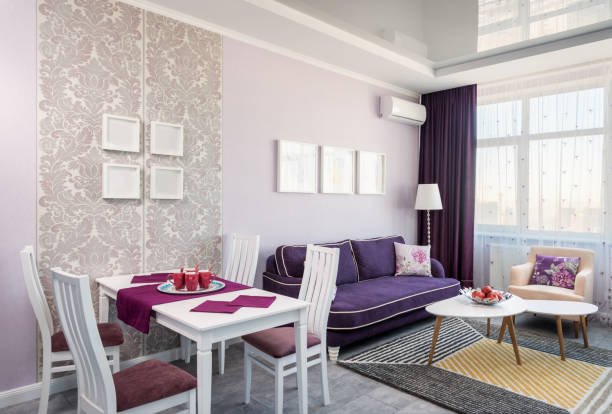
Decorative wall coverings have become one of the most influential elements in interior design, allowing homeowners to personalize spaces without major structural changes. With evolving materials, textures, and installation technologies, choosing the right provider and product requires more knowledge than ever before. A reliable source can help ensure quality materials, correct installation guidance, and long-lasting results that match both style and environmental conditions.
Many homeowners focus only on design and color, but durability, surface compatibility, and maintenance requirements are equally important. Understanding how wall coverings perform in different environments can help prevent common issues like peeling, fading, or mold development. This guide explores the key knowledge areas you should consider before selecting decorative wall covering providers and materials for your home.
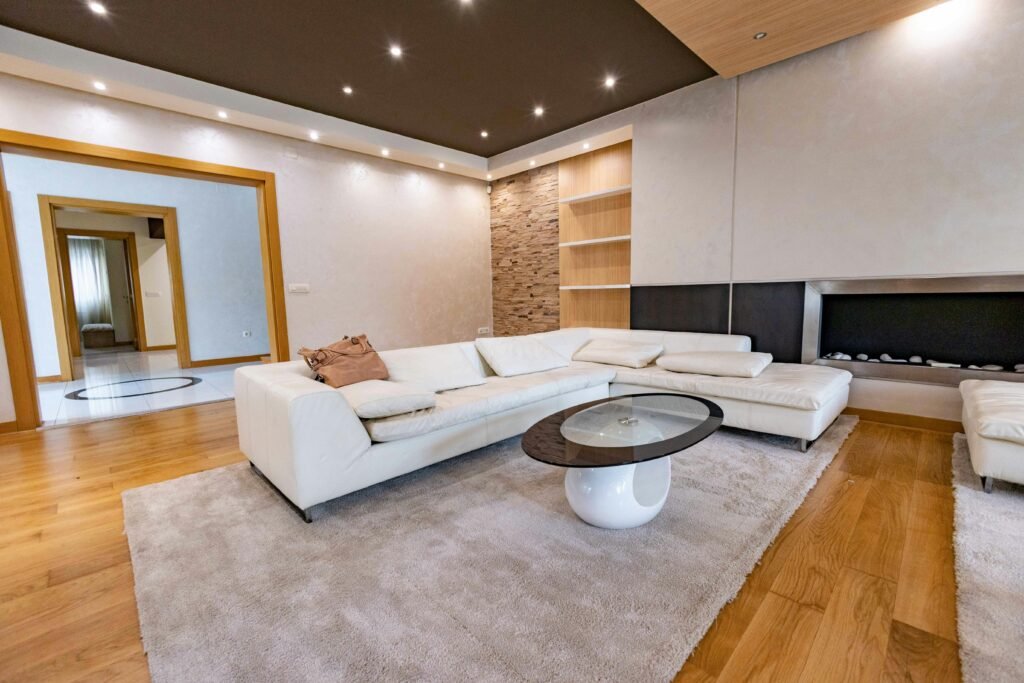
Understanding different wall covering materials and where each works best in residential interiors and exterior accent areas
Wall covering materials vary significantly in composition and performance. Some are designed purely for interior aesthetics, while others can withstand environmental exposure in semi-outdoor spaces like balconies or covered patios.
Common material categories include:
- Vinyl-coated surfaces for high moisture resistance
- Fabric-based coverings for texture and warmth
- Natural fiber materials for eco-conscious interiors
- Synthetic blends for durability and easy cleaning
When researching providers, many homeowners start by browsing trusted wallpaper shops to understand available material categories and performance ratings. This helps build a foundation before selecting specific designs or installation methods.
Choosing the correct material for each room prevents premature wear and ensures visual consistency throughout the home.
Key factors that influence long term durability of decorative wall coverings in humid and high temperature environments
Climate plays a major role in wall covering performance. High humidity can weaken adhesives, while heat can cause expansion and contraction cycles that affect surface bonding.
Important durability factors include:
- Moisture resistance rating
- Adhesive compatibility with wall type
- UV exposure tolerance
- Surface breathability to prevent trapped moisture
Homes in warm climates often require specialized material selection. Kitchens, bathrooms, and laundry areas especially need coverings that resist moisture buildup while maintaining structural integrity over time.
How installation quality affects the lifespan and appearance of decorative wall finishes in different room conditions
Even high-quality materials can fail if installation is not performed correctly. Proper wall preparation is critical to ensuring smooth adhesion and long-term durability.
Key preparation steps include:
- Cleaning dust, grease, and residue
- Repairing cracks and uneven surfaces
- Applying primer for improved bonding
- Ensuring complete wall dryness before installation
In outdoor-adjacent areas such as covered terraces, specialized products are often required. Homeowners researching climate-resistant solutions often review guides about wallpaper outdoor performance to understand environmental limitations and installation requirements.
Professional installation or detailed preparation knowledge significantly reduces the risk of peeling or bubbling later.
Common mistakes homeowners make when selecting decorative wall finishes for living rooms and bedrooms
Choosing decorative wall materials involves balancing design and practicality. Many homeowners focus heavily on color and pattern but overlook technical performance factors.
Common mistakes include:
- Selecting materials without checking wall compatibility
- Ignoring room humidity levels
- Choosing overly textured surfaces for high traffic areas
- Skipping wall surface preparation
- Not testing sample materials under actual lighting conditions
Understanding these risks helps ensure your wall finishes remain visually appealing and structurally stable for years.
How lighting conditions impact color perception and texture visibility on decorative wall surfaces inside homes
Lighting dramatically changes how wall coverings appear. Natural daylight reveals texture depth and true color tones, while artificial lighting can create shadows or alter color warmth.
Lighting considerations include:
- Direction of sunlight exposure
- Warm vs cool artificial lighting temperature
- Reflection from glossy or metallic finishes
- Shadow patterns on textured surfaces
When planning room designs, many homeowners search for local availability options using resources like wallpapers near me to compare material samples in person under different lighting conditions.
Testing samples on walls before final installation helps avoid unexpected visual differences after full installation.
Differences between peel and stick materials and traditional paste applied decorative wall materials explained clearly
Modern peel-and-stick materials offer convenience, while traditional paste-applied coverings often provide stronger long-term adhesion.
Peel-and-stick advantages:
- Easy installation for beginners
- Simple removal for renters
- Minimal preparation required
Traditional paste-applied advantages:
- Stronger adhesion for long-term installation
- Better performance in humidity-prone areas
- Wider selection of premium textures
Choosing between them depends on project goals, expected lifespan, and wall condition.
Maintenance requirements for different types of decorative wall finishes used in family homes and rental properties
Proper maintenance ensures decorative wall surfaces maintain their appearance and durability.
Maintenance best practices:
- Regular dust removal using microfiber cloths
- Avoid excessive moisture when cleaning
- Immediate repair of loose edges
- Using manufacturer-approved cleaning products
Rental properties often benefit from durable, easy-clean materials that maintain visual appeal even with frequent tenant turnover.
Conclusion
Selecting decorative wall coverings requires more than choosing attractive patterns. Material performance, installation quality, climate suitability, and lighting conditions all influence long-term results. Homeowners who invest time in understanding these factors typically experience fewer maintenance issues and longer-lasting wall finishes.
Taking a knowledge-based approach ensures your walls remain visually appealing while maintaining structural reliability across different living environments.
FAQs
What is the average lifespan of decorative wall coverings indoors?
Most indoor wall coverings last between 8 to 15 years depending on material quality, installation method, and environmental exposure.
How do humidity levels affect decorative wall surface materials?
High humidity can weaken adhesives and cause mold growth if materials are not moisture resistant.
Are decorative wall coverings safe for children’s rooms?
Yes, when using low-VOC and certified safe materials designed for residential environments.
What preparation is needed before installing decorative wall materials?
Walls must be clean, dry, smooth, and primed to ensure proper adhesion and long-term durability.
How do I know if my walls are suitable for decorative coverings?
Surface condition, moisture level, and paint stability determine whether walls can support decorative coverings.
Can decorative wall coverings be removed without damaging walls?
Some materials like peel-and-stick can be removed easily, while traditional materials may require professional removal techniques.