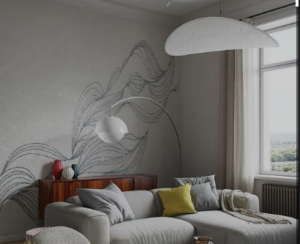
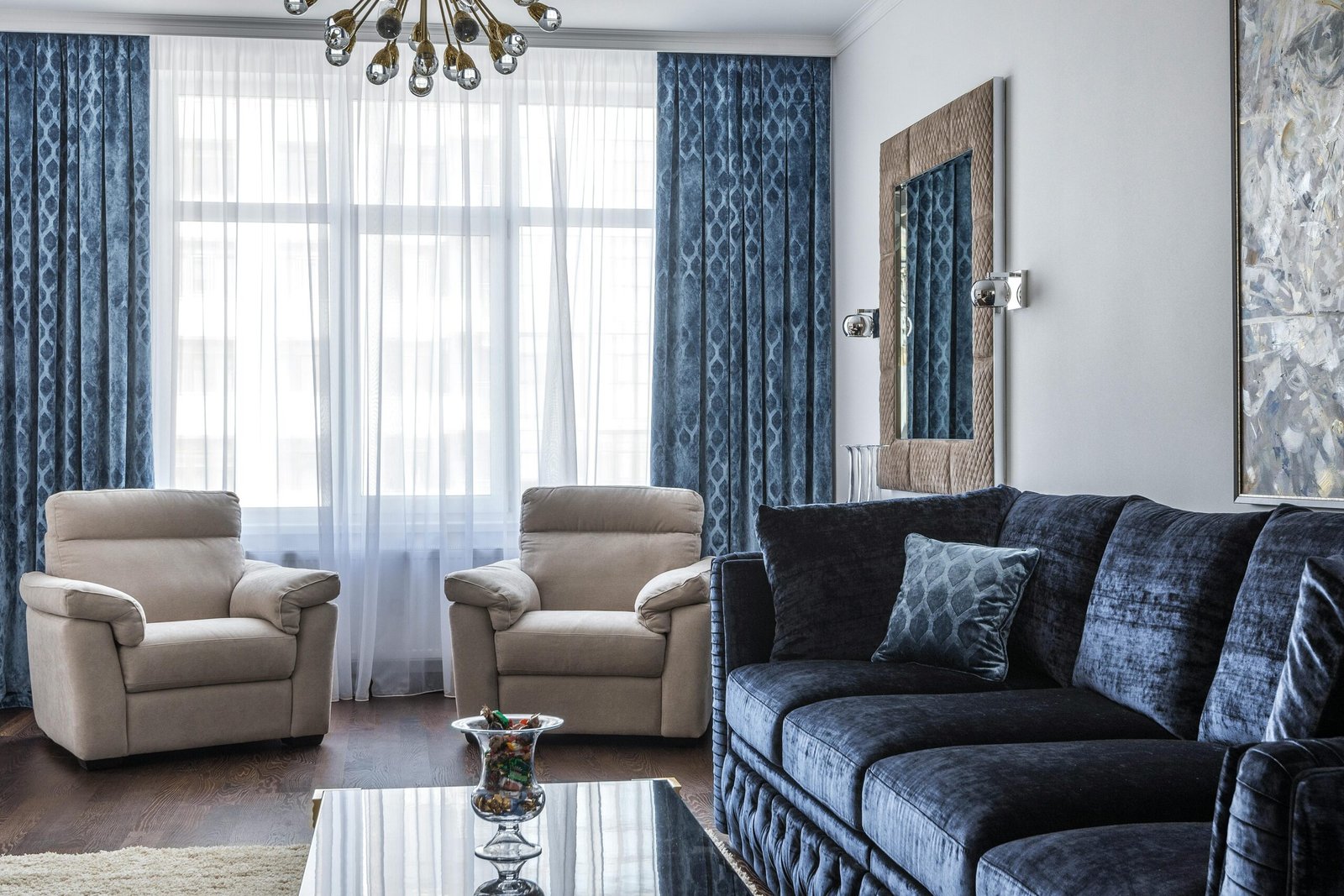
Wall coverings have evolved from simple decorative layers into multifunctional materials used for both design and protection. In modern construction and interior design, wall coverings are selected based on climate compatibility, durability, maintenance needs, and visual impact. Understanding how different types of wall coverings perform helps property owners, designers, and builders make more informed decisions.
In hot climate regions, wall materials must withstand high temperatures, dust exposure, and strong sunlight. This makes the selection process more technical than purely aesthetic. This article explores how wall coverings are used across different environments, how materials are engineered, and why they play an essential role in modern architecture and building protection.
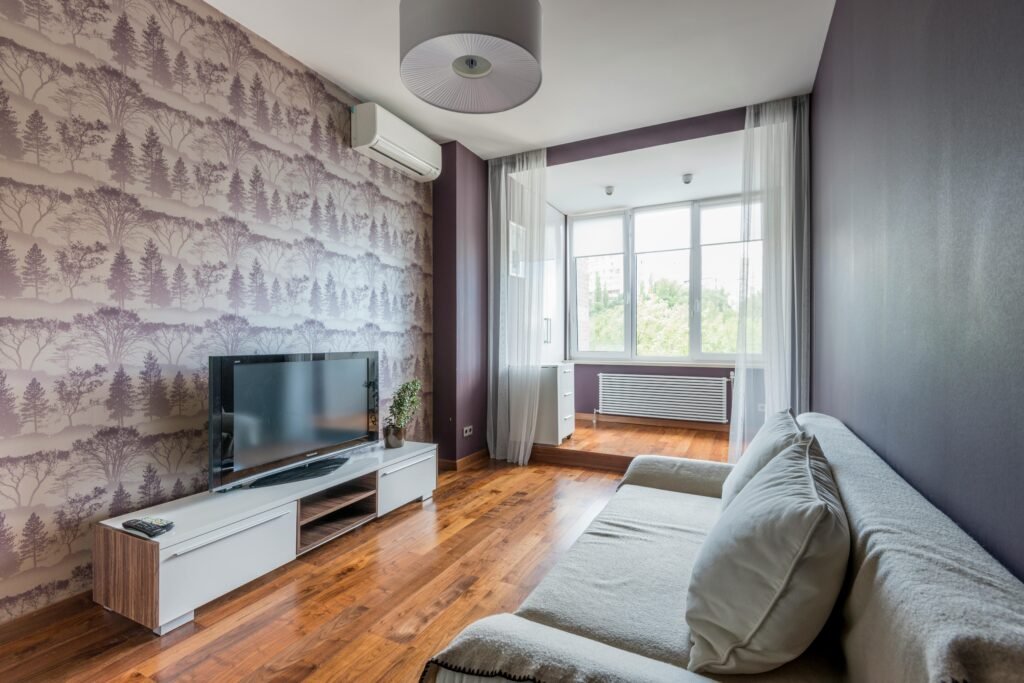
Understanding how climate conditions influence wall covering material choices in Gulf cities including construction trends in Dubai
Climate is one of the most important factors influencing wall covering selection. Regions with intense heat and humidity require materials that resist expansion, fading, and moisture damage.
Key climate-related considerations include:
- Heat resistance and thermal expansion tolerance
- UV radiation protection to prevent color fading
- Dust resistance for easier maintenance
- Moisture resistance for coastal environments
Buildings in hot regions often use layered wall systems combining insulation, protective coatings, and decorative surfaces. These systems help reduce internal heat absorption while maintaining attractive building exteriors.
Modern construction trends also emphasize materials that balance performance and appearance. Wall coverings must not only look appealing but also help maintain structural integrity and indoor comfort.
How exterior wall coverings are engineered to resist sunlight exposure, moisture damage, and temperature expansion on building facades
Exterior wall coverings are specifically engineered to handle environmental stress. Unlike interior decorative materials, exterior coverings must survive continuous exposure to harsh elements.
Many construction professionals study advanced material options such as exterior wallpaper to understand how specialized coatings protect against sunlight, humidity, and temperature changes.
Engineering Features of Exterior Wall Coverings
UV Protection Layers
- Prevent fading
- Maintain color consistency over time
Moisture-Resistant Coatings
- Reduce water penetration
- Prevent mold growth
Flexible Material Structures
- Allow expansion and contraction
- Reduce cracking risk
These engineered features allow exterior coverings to function as protective barriers while maintaining design quality.
The evolution of decorative wall coverings in modern architecture and how they are used in hospitality and residential buildings
Wall coverings have transformed significantly over the past decades. Earlier materials focused mainly on decoration, while modern options combine aesthetics with performance technology.
Today, many architects and designers research modern material applications using resources related to abu dhabi wallpaper to understand how wall coverings are integrated into both traditional and contemporary building designs.
Modern Architectural Uses
Hospitality Industry
- Feature walls in hotels and restaurants
- Themed interior environments
- Acoustic wall solutions
Residential Spaces
- Accent walls in living rooms
- Moisture-resistant coverings in kitchens and bathrooms
- Decorative textures for bedrooms and lounges
Advancements in printing technology allow wall coverings to replicate stone, wood, fabric, and custom artistic designs with high realism.
Differences between decorative interior wall coverings and protective exterior-grade wall cladding materials used in construction
Interior and exterior wall coverings serve different purposes, even when they appear visually similar.
Interior Decorative Wall Coverings
Primary Focus:
- Visual design
- Texture and color enhancement
- Comfort and atmosphere
Common Features:
- Lightweight materials
- Easier installation
- Wider pattern variety
Exterior Wall Cladding and Protective Coverings
Primary Focus:
- Weather protection
- Structural durability
- Insulation support
Common Features:
- Thicker material layers
- Strong adhesive or mechanical installation
- UV and moisture protection
Understanding these differences helps prevent using unsuitable materials in demanding environments.
How installation methods differ between interior decorative coverings and weather-resistant outdoor surface applications
Installation techniques vary significantly between interior and exterior applications. Exterior installations require more technical preparation to ensure long-term performance.
Many property owners researching installation options review practical examples of wallpaper abu dhabi applications to understand differences between residential interior installation and exterior surface installation requirements.
Interior Installation Process
- Surface cleaning and smoothing
- Measuring and cutting material
- Applying adhesive or activating self-adhesive backing
- Smoothing out air bubbles
Exterior Installation Process
- Structural surface inspection
- Moisture barrier application
- Specialized adhesive or mechanical fixing
- Protective sealing layer
Exterior installation often requires professional expertise due to environmental exposure factors.
Environmental considerations and sustainability trends in modern wall covering production and installation practices
Sustainability has become a major factor in construction material selection. Many manufacturers now focus on environmentally responsible production methods.
Sustainable Wall Covering Trends
- Low-VOC (Volatile Organic Compound) adhesives
- Recyclable backing materials
- Water-based inks and coatings
- Energy-efficient manufacturing processes
Environmentally friendly wall coverings help improve indoor air quality and reduce environmental impact without sacrificing durability or design flexibility.
How building design regulations influence material choices for interior and exterior wall surfaces in urban developments
Urban construction regulations often specify safety and performance requirements for wall materials.
Common Regulatory Factors
Fire Safety Standards
- Flame-resistant materials
- Low smoke emission coatings
Energy Efficiency Requirements
- Insulated wall systems
- Heat reflection properties
Structural Safety Requirements
- Wind resistance for exterior materials
- Secure attachment systems
Regulations help ensure that wall coverings contribute to overall building safety and performance.
Conclusion
Modern wall coverings are essential components of both interior design and building protection systems. Their role extends beyond decoration into climate resistance, durability, and environmental sustainability. Understanding material differences, installation methods, and environmental compatibility helps property owners and designers make informed decisions that improve building longevity and comfort.
As construction technologies continue to evolve, wall coverings will likely become even more advanced, combining smart materials, improved sustainability, and enhanced protective capabilities.
FAQs
What is the difference between interior and exterior wall coverings?
Interior coverings focus mainly on decoration and comfort, while exterior coverings are designed for weather protection, durability, and structural support.
Can decorative wall coverings be used on building exteriors safely?
Only if they are specifically engineered for exterior use. Standard interior decorative materials typically cannot handle weather exposure.
How do extreme temperatures affect wall covering lifespan?
Extreme heat can cause expansion, fading, and adhesive weakening. Materials designed for hot climates perform better long term.
What preparation is required before installing exterior wall coverings?
Preparation usually includes surface inspection, cleaning, moisture barrier installation, and sometimes structural reinforcement.
Are exterior wall coverings waterproof or water resistant?
Most exterior materials are water resistant rather than fully waterproof, allowing moisture control while preventing water damage.