Interior design has become increasingly complex, combining aesthetics, functionality, safety standards, and environmental responsibility. Wall coverings are no longer just decorative elements; they contribute to acoustics, lighting behavior, durability, and maintenance efficiency. As design expectations grow, the role of material providers has expanded significantly.
Today’s wall covering ecosystem integrates manufacturing technology, global supply chains, material science, and digital visualization tools. Designers and architects rely on these industry contributors to help translate creative concepts into practical, durable, and compliant interior solutions. Understanding how these providers support modern design helps professionals and property owners make more informed material decisions.
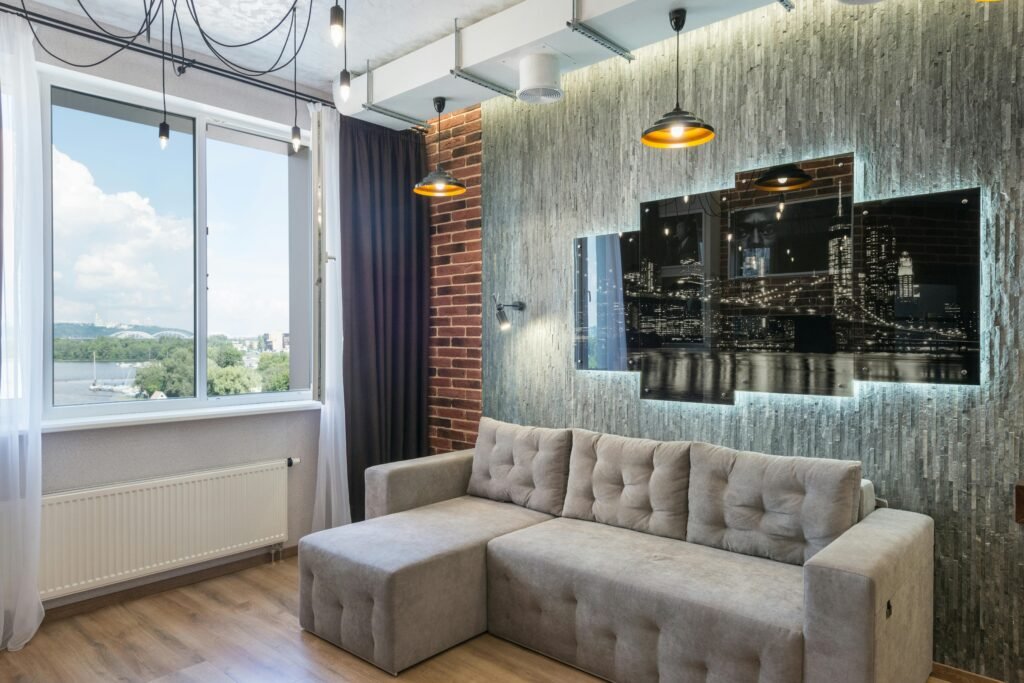
How global sourcing networks influence design variety and pattern availability across international markets
Global sourcing networks have dramatically expanded the design possibilities available in modern interiors. Manufacturers now collaborate with design studios, textile innovators, and material scientists worldwide to produce diverse collections that meet different regional and stylistic demands.
These networks enable access to:
- Cultural design influences from multiple regions
- Rare material textures not available locally
- Seasonal trend-based collections
- Large-scale commercial project supply consistency
- Specialized performance materials
When exploring global material variety, design professionals often study catalogs and technical resources from established wallpaper suppliers to understand how international manufacturing impacts local project availability.
Global sourcing also supports:
- Faster product innovation cycles
- Wider pattern diversity
- Better cost efficiency in manufacturing processes
- Access to specialized raw materials
This global collaboration ensures designers can meet diverse client expectations without sacrificing material performance.
The impact of manufacturing innovations on texture realism and surface finish quality in wall coverings
Manufacturing technology has advanced significantly, allowing wall coverings to replicate natural materials with incredible realism. Modern production methods can recreate textures such as stone, fabric, wood grain, and metallic surfaces.
Key innovations include:
- Multi-layer embossing techniques
- High-definition surface printing
- Laser-texture mapping technologies
- Precision coating application systems
These technologies help achieve:
- Greater tactile realism
- Enhanced visual depth
- More consistent finish quality
- Improved resistance to wear and tear
Material finish quality directly influences how surfaces interact with lighting. Subtle texture changes can alter how shadows fall across walls, creating more dynamic and visually engaging spaces.
Manufacturing precision also reduces defects, improving installation efficiency and long-term performance.
How installation technologies have evolved to simplify application and reduce long-term wall damage risks
Installation methods have evolved to make wall coverings easier to apply while protecting wall surfaces underneath. New adhesive technologies and backing materials help reduce removal damage and simplify alignment during installation.
Modern installation improvements include:
- Pre-pasted backing technologies
- Peel-and-apply surface systems
- Repositionable adhesive layers
- Moisture-resistant bonding solutions
Designers researching installation-friendly options often review technical details available through a professional wallpaper shop to compare installation methods and surface compatibility.
These improvements help reduce:
- Installation time
- Risk of air bubbles or wrinkles
- Wall surface damage during removal
- Adhesive residue problems
Installation technology is particularly important in commercial spaces where renovation cycles happen frequently.
Understanding fire safety standards, building regulations, and compliance requirements for wall materials
Safety regulations play a major role in material selection, especially in commercial and public spaces. Wall coverings must often meet strict fire resistance and smoke emission standards.
Key compliance factors include:
- Flame spread resistance ratings
- Smoke density limitations
- Toxic emission thresholds during fire exposure
- Heat resistance under prolonged exposure
Regulations vary by building type:
Commercial Buildings
- Strict fire spread rating requirements
- Mandatory safety certification documentation
Hospitality and Healthcare
- Additional antimicrobial surface standards
- Enhanced durability testing
Residential Buildings
- Generally lower regulatory thresholds
- Focus on indoor air quality and material safety
Understanding compliance helps prevent costly material replacement and ensures occupant safety.
How moisture resistance and humidity tolerance affect performance in different regional environments
Humidity levels can significantly impact wall covering performance. Materials must be engineered to withstand moisture absorption, temperature fluctuations, and condensation risks.
Moisture-resistant materials help prevent:
- Peeling or edge lifting
- Mold and mildew formation
- Surface staining
- Adhesive breakdown
Modern humidity-resistant materials use:
- Non-porous surface coatings
- Mold-resistant backing layers
- Vapor barrier integration
- Moisture-stable adhesives
Designers working in high-humidity environments often research material options such as self adhesive wallpaper dubai style solutions to understand performance expectations in challenging climate conditions.
Selecting appropriate materials ensures long-term visual and structural performance.
The role of trend forecasting in shaping new pattern collections and seasonal interior design directions
Trend forecasting helps guide the development of new design collections. Manufacturers analyze global design movements, consumer behavior, architectural trends, and cultural influences.
Trend analysis typically examines:
- Color psychology and emotional design
- Cultural and regional design influences
- Material sustainability movements
- Digital lifestyle impact on interior aesthetics
Current design trends often emphasize:
- Nature-inspired textures
- Subtle neutral color palettes
- Soft geometric patterns
- Sustainable material aesthetics
Trend forecasting ensures collections remain relevant while supporting long-term design usability.
How digital visualization tools help designers preview wall designs before physical installation begins
Digital visualization technology allows designers to preview wall covering installations before production or installation begins. This helps reduce design errors and improves project efficiency.
Common visualization tools include:
- 3D room simulation software
- Augmented reality wall preview applications
- Digital lighting simulation tools
- Material texture rendering engines
Benefits of digital visualization:
- Faster design approval processes
- Reduced material waste
- Improved client communication
- More accurate final results
These tools allow designers to experiment with multiple material combinations before final selection.
The science behind adhesive technologies and how they influence wall surface compatibility
Adhesive technology is a critical factor in wall covering performance. Modern adhesives are engineered to bond securely while allowing clean removal when needed.
Adhesive performance depends on:
- Wall surface porosity
- Environmental humidity levels
- Temperature exposure
- Material backing composition
Modern adhesive technologies include:
- Pressure-sensitive adhesives
- Water-activated paste systems
- Hybrid polymer bonding agents
- Low-residue removable adhesives
Understanding adhesive compatibility ensures successful installation and prevents long-term wall damage.
Conclusion
Wall covering providers play a vital role in modern interior design by supporting material innovation, regulatory compliance, sustainability initiatives, and advanced installation solutions. Their contributions extend beyond supplying materials to enabling designers to create functional, durable, and visually impactful spaces. As technology and design expectations continue to evolve, their role will remain essential in shaping the future of interior environments.
FAQs
What qualities define high-performance wall covering materials?
High-performance materials typically offer durability, moisture resistance, color stability, cleanability, and compliance with safety regulations.
How do professionals select wall materials for high-traffic environments?
They focus on abrasion resistance, cleanability, stain resistance, and long-term structural durability.
What environmental factors can affect wall material lifespan?
Humidity, UV exposure, temperature fluctuations, and indoor air quality all influence performance.
How do new technologies influence installation efficiency?
Modern adhesives, pre-pasted materials, and repositionable systems reduce installation time and minimize errors.
What are the most common mistakes made during wall covering selection?
Common mistakes include ignoring climate conditions, choosing low-durability materials for high-traffic spaces, and overlooking installation surface compatibility.
How does wall texture influence lighting and room perception?
Texture affects shadow formation, light reflection, and overall visual depth, which influences how large or comfortable a space feels.