Modern interior design has evolved far beyond simple painted surfaces. Today, wall coverings play a critical role in defining mood, texture, acoustics, and even functionality within spaces. From residential apartments to luxury hotels and corporate offices, wall materials are now chosen with careful attention to durability, environmental impact, and design harmony.
Understanding what providers in this industry actually deliver requires looking beyond the physical product. Today’s wall covering ecosystem includes design consultation, customization technology, logistics support, compliance with safety standards, and advanced material engineering. This article explores the full scope of what these providers contribute to modern construction and interior design projects.
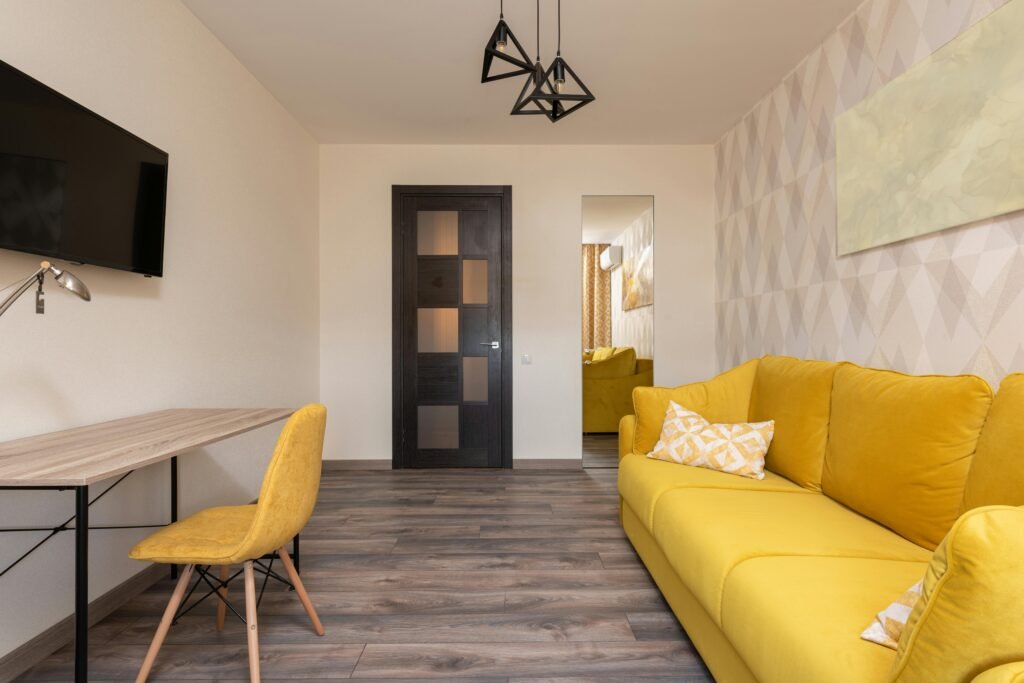
Understanding the full range of decorative wall covering materials available in today’s interior design market
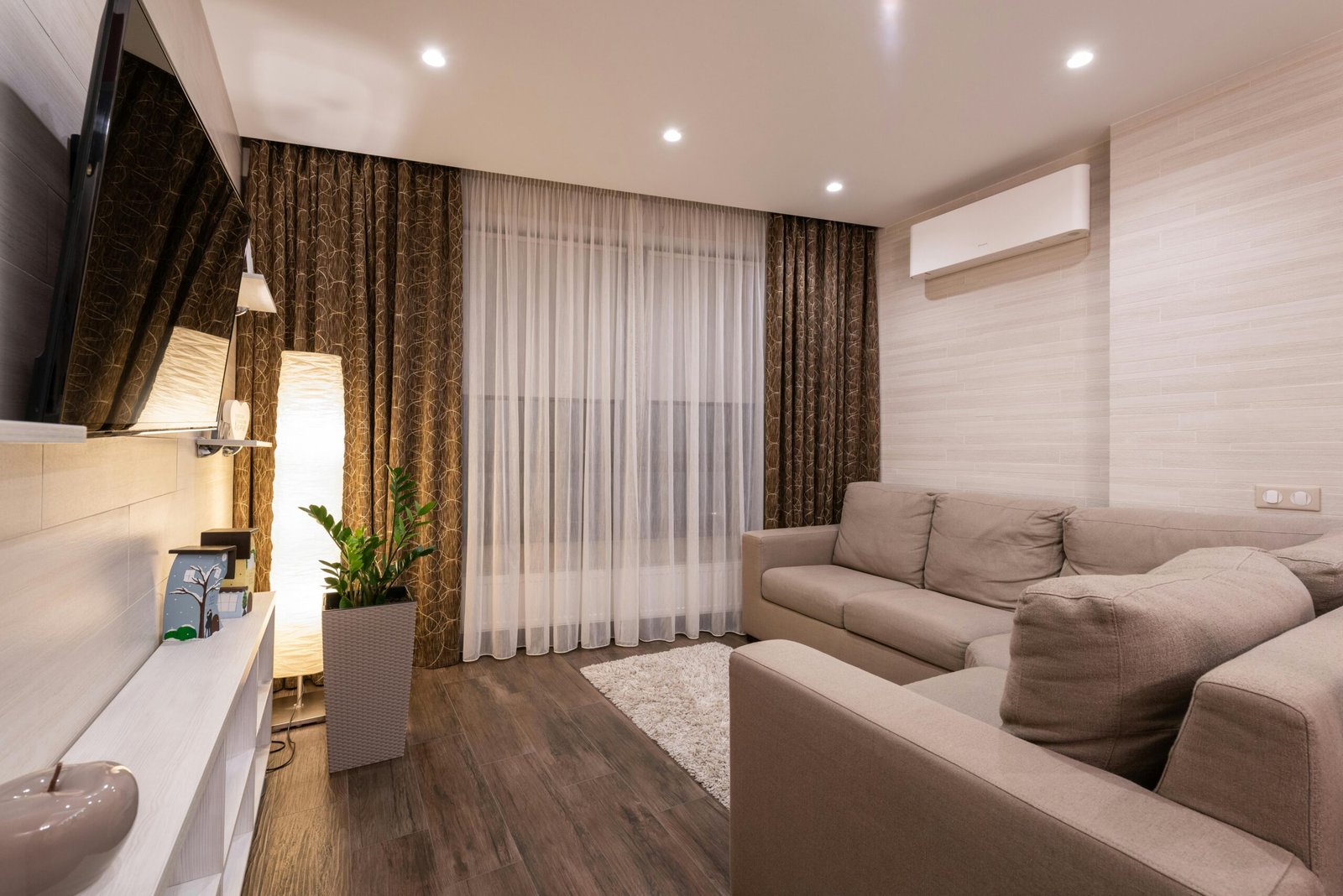
The modern wall covering market includes a wide spectrum of materials designed for different environmental and aesthetic requirements. These materials go far beyond traditional paper-based designs and now include advanced composites and performance-engineered surfaces.
Common categories include:
- Vinyl-based surfaces designed for durability and easy cleaning
- Textile-backed materials offering acoustic and tactile benefits
- Natural fiber coverings such as grasscloth or cork
- Digital print surfaces for custom artwork and branding
- Moisture-resistant coverings for kitchens and bathrooms
When researching material options, many professionals consult resources from a trusted wall paper supplier to understand available textures, finishes, and performance specifications. These resources often include technical sheets, testing results, and application recommendations.
Material selection usually depends on several factors:
- Expected foot traffic in the space
- Exposure to sunlight and humidity
- Maintenance requirements
- Installation surface compatibility
- Design longevity expectations
How material quality, texture options, and finish types impact long-term wall performance and durability
Material quality directly influences how wall coverings age over time. High-grade materials resist fading, tearing, and peeling, while lower-quality materials may degrade quickly under environmental stress.
Texture and finish also play functional roles:
Matte finishes
- Reduce glare in brightly lit spaces
- Hide minor wall imperfections
- Create soft, modern aesthetics
Gloss or satin finishes
- Reflect light to make rooms feel larger
- Provide easier cleaning surfaces
- Enhance color vibrancy
Embossed textures
- Add depth and dimension
- Improve acoustic absorption
- Mask surface irregularities
Durability testing typically evaluates:
- Scrub resistance
- Tear strength
- UV exposure tolerance
- Moisture resistance
- Adhesion stability
Understanding these characteristics helps designers choose materials suited for long-term use.
The role of customization services in helping designers achieve unique and personalized interior aesthetics
Customization has become one of the most significant advancements in wall covering technology. Designers can now create fully personalized surfaces using digital printing and advanced material processing.
Customization options often include:
- Custom pattern scaling
- Brand color matching using digital color calibration
- Large-format mural printing
- Textured overlay effects
- Metallic or specialty coating applications
This flexibility allows interior designers to create spaces that reflect brand identity or personal style rather than relying on pre-made patterns.
Customization workflows typically involve:
- Digital artwork preparation
- Material compatibility testing
- Color proof creation
- Sample production
- Final production run
Environmental considerations and sustainability practices used in modern wall covering production processes
Sustainability has become a major focus across construction and interior finishing industries. Many manufacturers now prioritize environmentally responsible materials and processes.
Key sustainability initiatives include:
- Low-VOC (volatile organic compound) material production
- Recyclable backing materials
- Water-based ink printing technologies
- Energy-efficient manufacturing equipment
- Sustainable raw material sourcing
Environmentally responsible wall coverings also contribute to indoor air quality and occupant health.
Professionals often study product sourcing through documentation provided by major distribution channels and specialized wallpaper stores that track material certifications and sustainability compliance.
Common environmental certifications may include indoor air quality verification and eco-material sourcing standards.
How logistics, storage methods, and packaging influence product condition during delivery and installation
Logistics plays a critical but often overlooked role in wall covering performance. Improper storage or transportation can cause material warping, adhesive degradation, or print damage.
Key logistics considerations include:
- Climate-controlled storage to prevent moisture absorption
- Protective packaging to avoid surface scratching
- Proper roll orientation to maintain structural integrity
- Delivery scheduling to minimize storage time at job sites
Storage best practices:
- Keep materials in original packaging until installation
- Store in temperature-controlled environments
- Avoid stacking heavy items on top of rolls
- Allow acclimation time before installation
These logistics details directly influence installation quality and final appearance.
Differences between residential, commercial, and hospitality wall covering specification requirements
Each building category has unique wall covering performance requirements.
Residential Spaces
- Focus on design flexibility and comfort
- Moderate durability requirements
- Lower fire rating requirements
Commercial Offices
- Require higher durability and cleanability
- Must meet workplace safety codes
- Often prioritize neutral design longevity
Hospitality Environments
- Require high wear resistance
- Need stain and moisture protection
- Often include custom branding designs
Regional building standards may influence product selection. For example, design professionals researching regional material trends often review collections associated with abu wallpaper style environments to understand climate-adapted material solutions.
How technological advancements have improved printing detail, color consistency, and material lifespan
Technology has dramatically transformed wall covering manufacturing. Digital printing systems now allow photographic-level detail with consistent color accuracy across large production runs.
Major technological advancements include:
- High-resolution digital inkjet printing
- UV-cured inks for enhanced durability
- Laser texture embossing technologies
- Automated quality control scanning systems
Benefits of these technologies:
- Reduced color variation between batches
- Increased resistance to fading
- More precise pattern alignment
- Faster production timelines
Technology also allows smaller custom production runs, making personalized design more accessible.
Conclusion
Modern wall covering providers offer far more than decorative surface materials. Their role includes technical consultation, sustainability compliance, material engineering, logistics coordination, and advanced customization capabilities. As building standards evolve and interior design becomes more experience-focused, the importance of specialized wall covering knowledge continues to grow.
Understanding these factors helps designers, architects, and property owners make informed decisions that balance aesthetics, durability, environmental responsibility, and long-term performance.
FAQs
What services are typically included when working with a wall covering provider?
Services may include design consultation, material selection guidance, technical documentation, customization options, logistics planning, and installation recommendations.
How do material types affect maintenance and cleaning requirements?
Different materials require different cleaning methods. Vinyl surfaces are typically easier to clean, while natural fiber materials may require specialized care.
What factors influence durability in different climate conditions?
Humidity levels, temperature fluctuations, UV exposure, and air quality all influence how wall coverings perform over time.
How do digital printing technologies impact design possibilities?
Digital printing allows full customization, high-resolution imagery, consistent color matching, and the ability to produce small or large production runs.
What certifications indicate environmentally responsible manufacturing?
Look for low-VOC certifications, sustainable sourcing verification, and indoor air quality testing standards.
How do professionals evaluate wall covering performance over time?
Performance is evaluated through durability testing, environmental exposure simulations, adhesion testing, and long-term installation monitoring.