
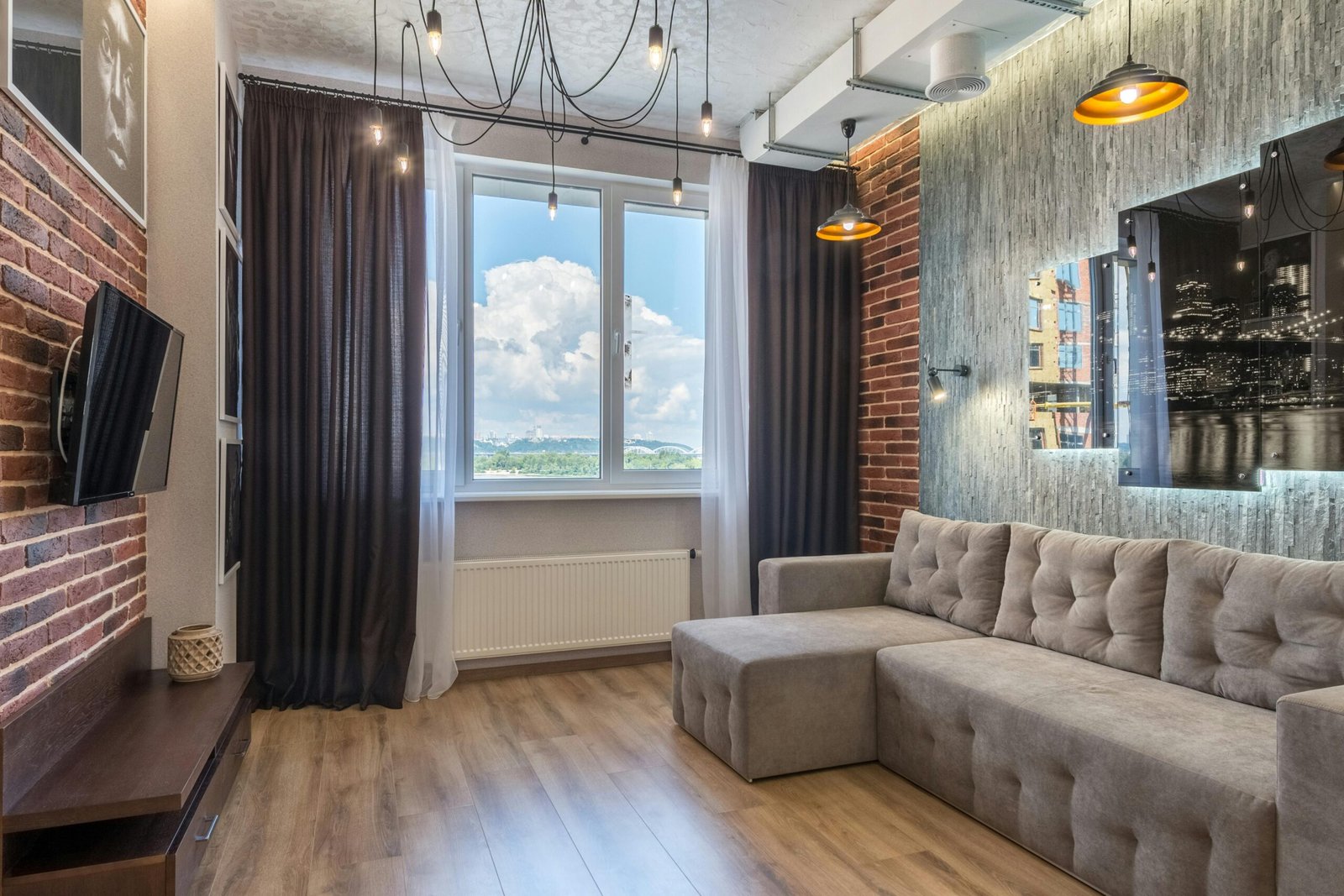
Wallpaper remains one of the most popular wall finishing choices because it combines aesthetics with practical wall protection. Over time, however, wallpaper can experience wear and tear due to environmental conditions, poor installation, or natural aging. Understanding when wallpaper needs fixing and how repairs work helps property owners maintain wall quality and interior appearance for longer periods.
Many people notice early signs of wallpaper damage but are unsure whether repair or replacement is the better option. Learning about repair processes, common damage causes, and environmental effects can help in making informed maintenance decisions. Knowing how repair differs from installation also helps property owners plan long-term wall care effectively.
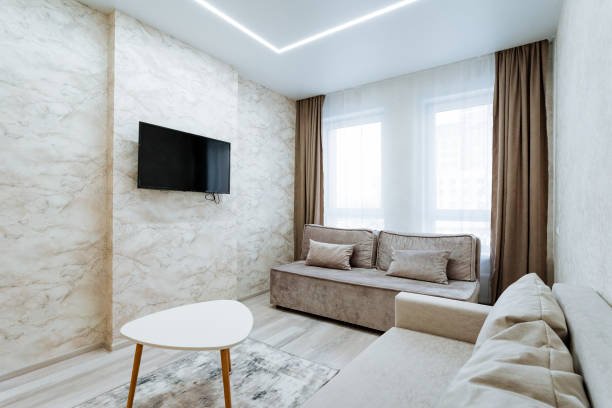
Understanding common causes of wallpaper damage in homes and offices and how they develop over time
Wallpaper damage usually happens gradually rather than suddenly. Small issues like corner lifting or bubble formation often indicate deeper wall surface or adhesive problems.
Common causes include:
- Poor wall surface preparation before installation
- High humidity levels causing adhesive breakdown
- Direct sunlight fading or weakening wallpaper materials
- Structural wall movement creating stress points
- Cleaning chemicals affecting wallpaper coating
In many situations, property owners search for professional help when damage becomes visible. When researching repair options, people often look for reliable services offering assessment and repair support. For example, many users begin by exploring services related to wallpaper fixing near me to understand available repair solutions and service approaches.
Early identification of damage helps prevent complete wallpaper failure and reduces long-term maintenance effort.
Step by step explanation of how professional wallpaper repair services typically work in different environments
Professional wallpaper repair follows a structured workflow designed to restore appearance and durability.
Typical process includes:
- Surface Inspection
Checking moisture levels, wall texture, and adhesive condition. - Damage Classification
Identifying peeling, bubbling, tearing, or staining issues. - Area Preparation
Cleaning damaged sections and stabilizing surrounding wallpaper. - Adhesive Reapplication
Using compatible adhesives depending on wallpaper material. - Surface Finishing
Smoothing repaired sections to blend with existing wallpaper.
Repair methods vary depending on whether the wallpaper is installed in residential living areas, office environments, or semi-outdoor spaces. Each environment has different stress factors affecting wallpaper longevity.
Differences between fixing peeling wallpaper, torn wallpaper, and moisture damaged wallpaper surfaces
Different types of wallpaper damage require specific repair approaches. Understanding these differences helps determine realistic repair outcomes.
Peeling Wallpaper
- Usually caused by adhesive failure or humidity
- Often repairable without replacing large sections
Torn Wallpaper
- Caused by impact damage or aging material
- May require patch replacement or section blending
Moisture Damaged Wallpaper
- Usually involves wall moisture infiltration
- Requires moisture source correction before repair
Moisture damage is usually the most complex because wall structural integrity may also be affected. Repairing only the wallpaper without addressing moisture sources leads to recurring damage cycles.
How wall preparation quality affects long term wallpaper durability and appearance indoors and outdoors
Wall preparation determines how long wallpaper remains stable. Proper preparation includes smoothing surfaces, removing old adhesive residue, and applying suitable primers.
Preparation directly affects:
- Adhesion strength
- Moisture resistance
- Bubble prevention
- Surface smoothness
- Long-term appearance consistency
In outdoor or semi-exposed areas, surface preparation becomes even more important. Many people researching weather-resistant wall finishes also explore options like wallpaper for outside wall to understand how materials perform in outdoor conditions.
Poor preparation is one of the most common reasons wallpaper requires early repair or replacement.
Signs that indicate wallpaper needs repair instead of complete removal or replacement for best results
Not all wallpaper damage requires full replacement. Many problems can be repaired efficiently if detected early.
Common repair-friendly signs include:
- Small corner lifting
- Localized bubbling
- Minor seam separation
- Surface stains that have not penetrated backing material
However, replacement may be necessary if:
- Large areas have moisture damage
- Adhesive has completely failed across multiple sections
- Wallpaper backing has deteriorated
Understanding the difference helps property owners maintain walls without unnecessary removal processes.
Environmental factors such as humidity and sunlight that affect wallpaper condition over time
Environmental conditions significantly influence wallpaper lifespan.
Humidity Effects
- Weakens adhesive bonding
- Causes paper expansion and contraction
- Encourages mold growth behind wallpaper
Sunlight Effects
- Fades color pigments
- Weakens material fibers
- Creates uneven aging patterns
Buildings located in humid climates require more frequent wallpaper inspection. Proper ventilation and controlled indoor humidity help extend wallpaper durability significantly.
Safety considerations and preparation steps before starting any wallpaper repair or fixing project
Wallpaper repair involves working with adhesives, ladders, and sometimes chemical cleaners. Safety preparation ensures repairs are completed without risk.
Important safety tips:
- Turn off nearby electrical outlets if working near switches
- Use stable ladders for high wall areas
- Wear gloves when handling adhesives
- Ensure proper ventilation during repair work
Some repairs require partial reinstallation techniques. In cases where large sections need adjustment, people often research processes similar to wallpaper installation near me to understand professional installation standards and repair overlaps.
Proper preparation reduces mistakes and improves repair results.
Conclusion
Wallpaper repair is an important part of long-term wall maintenance. Understanding common damage causes, environmental impacts, and repair processes helps property owners make informed decisions about maintaining wallpaper surfaces. Early detection of damage allows for cost-effective repairs and prevents larger structural or aesthetic issues. With proper wall preparation and environmental control, wallpaper can remain durable and visually appealing for many years.
FAQs
What causes wallpaper to start peeling from the wall?
Peeling usually happens due to humidity, poor adhesive application, or improper wall preparation before installation.
Can damaged wallpaper be repaired without replacing it completely?
Yes, many minor damages such as peeling edges or small tears can be repaired without full wallpaper replacement.
How long does wallpaper typically last before needing repairs?
Wallpaper can last 5–15 years depending on environmental conditions, material quality, and installation method.
Is moisture the main reason wallpaper gets damaged?
Moisture is one of the leading causes, but sunlight exposure, poor installation, and wall movement also contribute.
Can wallpaper repairs be done on textured walls?
Yes, but repairs on textured walls require specialized adhesives and techniques to ensure proper bonding and blending.